
Green Policy
A Smarter, More Sustainable Setting for Corporate Conferences at The Johnstown Estate
Choosing The Johnstown Estate as a sustainable conference venue demonstrates a clear commitment to environmental responsibility, operational efficiency, and forward-thinking corporate values. The estate has invested in practical, measurable sustainability initiatives that directly support ESG objectives, carbon reduction goals, and responsible event management.
Water Sustainability and Independence
The hotel’s private water well provides greater water independence and allows stronger control over water quality and supply management. A properly managed groundwater system supports long-term sustainability efforts while ensuring a reliable source for landscaping and irrigation. This reduces pressure on municipal water systems and contributes to more responsible resource management across the estate.
Renewable Energy Through Solar Power
The installation of photovoltaic (PV) solar panels helps significantly reduce carbon emissions by generating clean renewable energy onsite. This supports the wider renewable energy transition while lowering reliance on fossil fuels. Solar energy also contributes positively to ESG and sustainability reporting, reduces air and noise pollution, conserves natural resources, and supports green building and environmental certification standards.
Energy Efficiency with Combined Heat and Power (CHP)
The estate’s CHP system produces electricity and useful heat simultaneously from a single fuel source, delivering far greater energy efficiency than conventional systems. This approach lowers carbon emissions, reduces energy transmission losses, and strengthens energy security and resilience. CHP technology also supports the integration of renewable energy systems and demonstrates a proactive investment in low-carbon infrastructure.
Data-Driven Environmental Monitoring
By monitoring CO₂ emissions, water usage, food waste per diner, and food waste per overnight guest, the hotel can identify high-emission activities and improve operational efficiency. These measures help reduce fuel and electricity consumption, support climate targets and net zero strategies, and strengthen environmental reporting and ESG performance.
Monitoring also helps detect water leaks and inefficient equipment, reducing unnecessary waste and operational costs. Tracking food waste improves purchasing efficiency, reduces landfill waste, limits unnecessary agricultural resource use, and cuts methane emissions associated with decomposing food.
Biodiversity, Local Food Production and Circular Sustainability
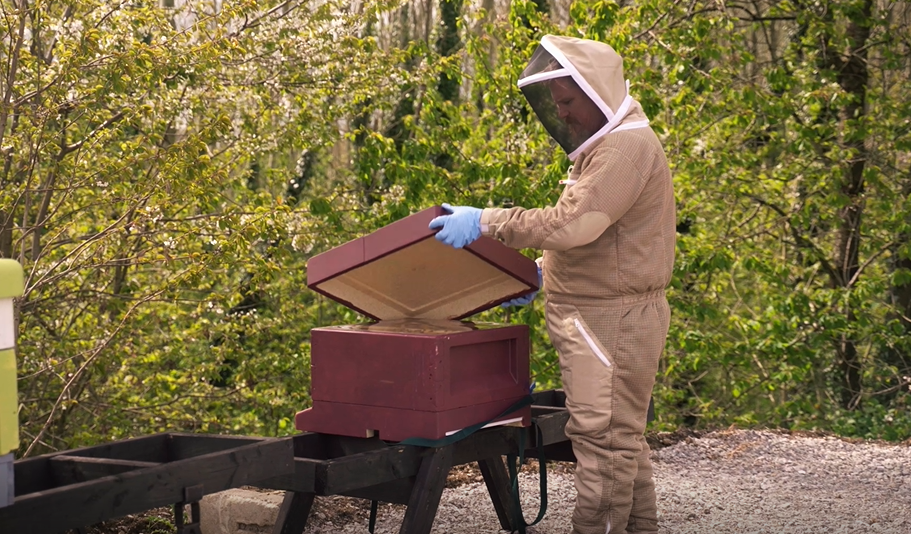
The onsite bees and polytunnel support biodiversity and sustainable food production across the estate. Bees play an important role in pollination and healthier plant growth, while the polytunnel enables the hotel to grow seasonal produce locally. This reduces food miles, improves resource efficiency, and encourages more sustainable and seasonal dining practices.
These initiatives also support environmental education and guest awareness while enabling the production of local, natural products that enhance the overall conference and guest experience.
Recognised Sustainability Credentials
Recognised Sustainability Credentials
The estate’s sustainability efforts are independently recognised through several environmental achievements:
- Awarded Silver in the Green Tourism Ireland Green Check Assessment, recognising ongoing commitment to sustainability and responsible tourism practices.
- Achieved the 2026 Repak Limited Certificate of Compliance for the recovery and recycling of packaging and packaging waste, demonstrating continued commitment to environmental responsibility and regulatory excellence.
Why This Matters for Conference Organisers
For organisations seeking a venue aligned with sustainability goals, ESG commitments, and responsible event planning, The Johnstown Estate offers a venue where sustainability is embedded into daily operations rather than treated as a standalone initiative. Hosting conferences in a venue with measurable environmental practices can help businesses reduce the environmental impact of their events while reinforcing their own corporate sustainability values.